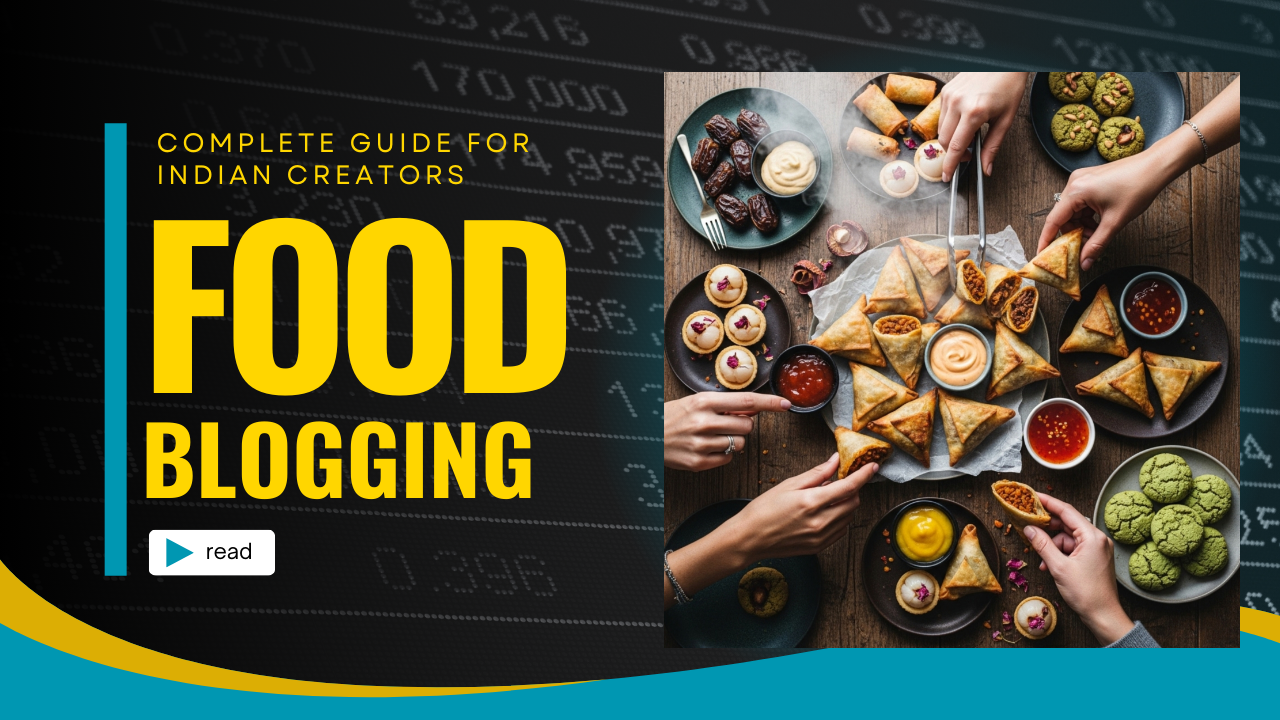
In today’s digital India, food blogging is not just a hobby—it’s a powerful career option. From street food in Delhi to traditional thalis in Gujarat and coastal seafood in Kerala, India offers endless content for food lovers. If you are passionate about food, love exploring new places, and enjoy sharing your experiences, becoming a food blogger could be the perfect journey for you.
This detailed guide will help you understand how to start, grow, and succeed as a food blogger in India.
1. Understand What Food Blogging Really Means
Food blogging is not just about clicking pictures of food and posting them on Instagram. It involves:
- Reviewing restaurants
- Sharing recipes
- Writing about food culture and traditions
- Creating videos and reels
- Building a loyal audience
- Collaborating with brands
A successful food blogger tells stories. For example, instead of simply posting a picture of pani puri, you can share the history of the dish, your childhood memories, or what makes that particular vendor special.
In India, emotional connection works very well. Readers love authenticity and relatability.
2. Choose Your Niche Carefully
India’s food market is huge. To stand out, you need a niche. Some popular food blogging niches in India include:
- Street food reviews
- Home-style Indian recipes
- Healthy and diet food
- Regional cuisine (Punjabi, South Indian, Bengali, etc.)
- Budget food in metro cities
- Luxury dining experiences
- Vegetarian or vegan food
Instead of covering everything, focus on one area in the beginning. For example, if you live in Mumbai, you can start by reviewing affordable cafes and street food spots in your area.
Once your audience grows, you can expand.
3. Pick the Right Platform
You don’t need to start everywhere at once. Choose any one platforms in starting and focus on them.
Great for reels, food photos, and quick reviews.
YouTube
Perfect for detailed food vlogs and cooking videos.
Blog Website
A personal website gives you long-term control and helps in earning through Google ads and SEO traffic.
Many successful Indian food creators started small. For example, creators like Kabita Singh built a strong audience by sharing simple, relatable home recipes on YouTube. Similarly, Sanjeev Kapoor expanded from television to digital platforms, proving that consistency matters more than starting big.
4. Invest in Basic Gear
One common myth is that you need a DSLR camera to start. That is not true.
You can begin with:
- A smartphone with a good camera
- Natural lighting (near a window)
- A clean background
- Basic editing apps like Lightroom or Snapseed
- A tripod (optional but helpful)
Good lighting is even more necessary than an expensive camera. Shoot during daytime whenever possible.
5. Learn Basic Photography and Editing Skills
Food should look tempting in your photos. Here are some tips:
- Use natural light
- Avoid harsh shadows
- Shoot from different angles (top view, 45-degree angle)
- Keep the plate clean and neat
- Add small props like spoons, napkins, or spices
Editing should enhance the photo, not make it unrealistic. Over-editing reduces credibility.
Remember, Indian audiences prefer realistic and relatable food visuals rather than overly styled foreign-looking images.
6. Improve Your Writing Style
Since you want to become a food blogger, writing skills are very important—especially if you plan to run a website.
Here’s how to write better:
- Use simple and clear language
- Add personal experiences
- Describe taste, texture, aroma, and presentation
- Be honest in reviews
- Avoid copying content from other websites
Google easily detects copied content. Always write from your own experience. If you review a restaurant, mention what you liked and what could be improved.
For example, instead of writing:
“The food was good.”
Details make your content engaging.
7. Be Consistent and Patient
Success does not come overnight. Many Indian food bloggers worked for years before gaining recognition.
Create a posting schedule:
- 3–4 Instagram posts per week
- 1–2 YouTube videos per week
- 1 blog post per week
Consistency builds trust. Even if you don’t get many likes in the beginning, continue posting. Growth takes time.
8. Understand SEO and Hashtags
If you have a website, learn basic SEO (Search Engine Optimization). This helps your blog appear on Google.
For example:
- Use some keywords like “Some Best street food in kathmandu” or “Easiest paneer butter masala recipe”
- Write proper headings
- Add meta descriptions
- Use internal links
peoples are mainly focuses on junk food and it is one of the favorite for today’s youth.
On Instagram, use relevant hashtags such as:
- #IndianFoodBlogger
- #StreetFoodIndia
- #HomeCooking
- #FoodieLife
Do not overuse random hashtags. Keep them relevant.
9. Build Your Personal Brand
Your personality matters a lot. Ask yourself:
- What makes you different?
- Are you funny, informative, emotional, or straightforward?
- Do you focus on budget-friendly food?
Your tone should remain consistent. Indian audiences love creators who feel like “apne jaise” (one of us). Being humble and honest helps you connect deeply.
You can also design a simple logo and maintain a consistent colour theme for your posts.
10. Network with Restaurants and Brands
Once you gain some followers, restaurants may invite you for collaborations. But even before that, you can approach them professionally.
Send a polite message introducing yourself and sharing your engagement statistics.
Always:
- Be transparent about paid promotions
- Give honest reviews
- Avoid promoting low-quality food just for money
Your credibility is your biggest asset.
11. Learn About Monetization
Food blogging can generate income through:
- Brand collaborations
- Sponsored posts
- Affiliate marketing
- Google AdSense (for websites)
- YouTube monetization
- Selling your own recipe e-books
- Hosting workshops
In beginning, you don’t have to focus on money. Focus on building the trust and quality content.
12. Handle Criticism Positively
When you put content online, not everyone will like it. Some may criticize your accent, appearance, or opinion.
Do not get discouraged. Take constructive feedback seriously but ignore unnecessary negativity.
Confidence and patience are key.
13. Stay Updated with Food Trends
Food trends change quickly. For example:
- Fusion dishes
- Korean food popularity
- Millet-based healthy recipes
- Vegan alternatives
Keep exploring new cafes, attending food festivals, and experimenting in your kitchen.
India’s food diversity is your biggest advantage. From chole bhature in North India to dosa and filter coffee in South India, content ideas are endless.
14. Follow Legal and Ethical Practices
- Do not copy recipes word-to-word
- Avoid using copyrighted images
- Mention if content is sponsored
- Respect restaurant policies
- Pay bills unless invited officially
Professionalism helps you grow long-term.
15. Keep Learning and Improving
Even established chefs like Vikas Khanna continue to learn and experiment. The food industry evolves constantly.
You can:
- Take online photography courses
- Learn video editing
- Attend cooking workshops
- Improve communication skills
Growth never stops.
Final Thoughts
Becoming a food blogger in India is an exciting journey filled with flavours, creativity, and opportunities. You don’t have to be a professional chef. You just need passion, consistency, honesty, and the willingness to learn.
Start small. Use your phone. Review your local food stalls. Share your home recipes. Tell stories. Connect with your audience in a simple and authentic way.
Remember, India is a land of food lovers. If you stay genuine and committed, your voice will find its audience.
Food blogging is not just about food—it’s about culture, memories, emotions, and community.
So, if your heart says “Let’s do it,” then begin today.