
Blogging has increasing day by day over the years. From simple personal journals to professional digital marketing tools, Nowadays, blogs have become a central part of the internet ecosystem. In 2026, Blogging platforms is more competitive than ever, offering diverse options to cater to different needs from beginner bloggers to professional content marketers to gain traffic. Choosing the best blogging platform is very important, it determines your website’s functionality, customization, SEO potential, and the monetization capabilities.
In this article, we will explore the best blogging platforms in 2026, their unique features, advantages, disadvantages, and which type of blogger each platform suits best.
What to Consider Before Choosing a Blogging Platform
Before diving into the list of platforms, it’s most important to understand the criteria for selection. A good blogging platform should offer:
- Ease of Use – The platform should be user-friendly, even for beginners.
- Customization Options – Ability to change the appearance, layout, theme, images, photos and functionality of your blog.
- SEO Features – Tools and plugins to optimize content for search engines.
- Monetization Potential – Ability to integrated ads, affiliate links, and other revenue sources.
- Scalability – The platform should support growth as your blog audience increases.
- Support and Community – Access to tutorials, customer support, or community forums.
With these points in mind, let’s explore the top blogging platforms in 2026.
1. WordPress.org
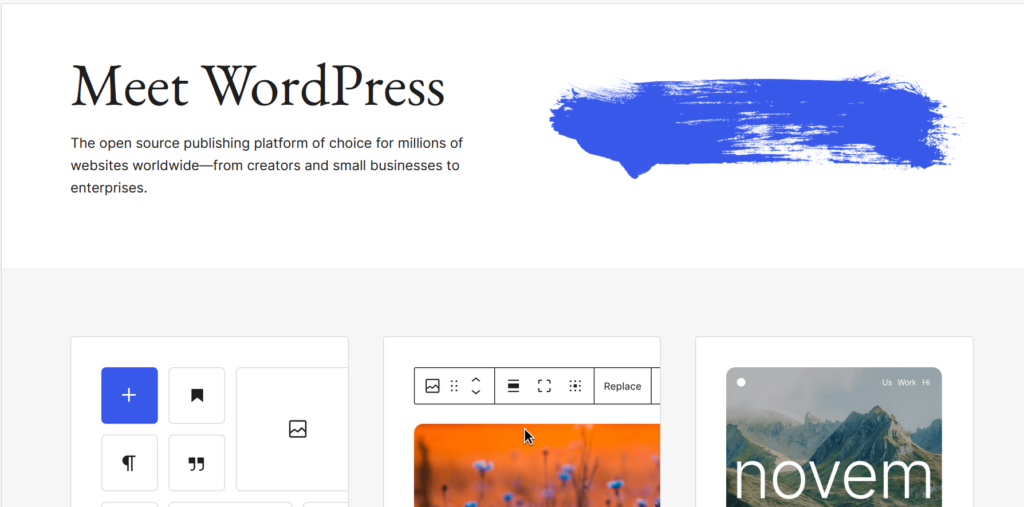
It still remains the most popular & the biggest blogging platform worldwide and aslo continues to dominate in 2026. Unlike WordPress.com is a self-hosted platform which gives bloggers full control on their websites. Also it gives the option to buy domain and it is also the most used platform in this world in terms of website.
Key Features:
- Full and easy customization with thousands of themes and plugins available
- Powerful SEO tools like Rankmath, Jetpack and so one
- Supports e-commerce, membership sites, and complex blogs
- Full ownership of content and domain
Advantages:
- Unlimited flexibility and scalability
- Easy to use and setup
- Large community and excellent documentation
- Supports professional blogging, portfolios, and online stores
Disadvantages:
- Requires a hosting service and domain purchase
- Little bit hard to setup
- Slightly steeper learning curve for beginners
Best for: Professional bloggers, content marketers, and entrepreneurs looking for full control and monetization options.
2. Wix
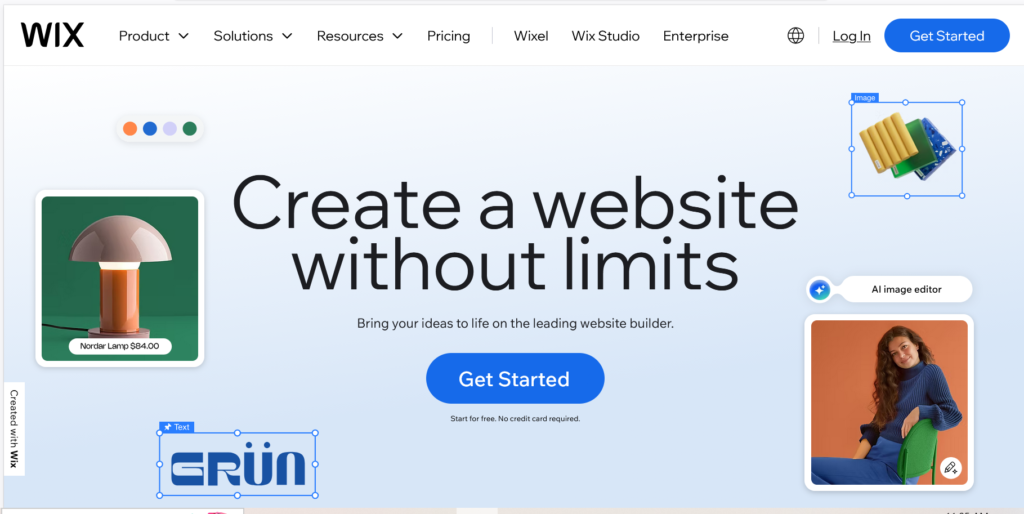
Wix is also known as drag-and-drop website builder that helps people just to drag and use. It continues to gain popularity in 2026 for its simplicity, easy to use and setup & visual design capabilities.
Key Features:
- Drag-and-drop interface
- AI-powered design suggestions
- Built-in SEO tools and analytics
- App market for additional features
Advantages:
- Very beginner-friendly
- Quick setup with no coding knowledge required
- Pre-designed templates suitable for blogs, portfolios, and also small businesses
Disadvantages:
- Limited flexibility compared to WordPress
- Premium plans required for advanced features and ad-free experience
- Can make me burden to customize
Best for: Hobby bloggers, lifestyle bloggers, and users who want visually appealing blogs without technical hassles.
3. Squarespace

Squarespace has earned a reputation for sleek, professional designs and robust blogging tools. In 2026, it continues to be a favorite among many creative professionals.
Key Features:
- High-quality, mobile-optimized templates
- Built-in blogging and analytics features
- Easy integration with e-commerce and social media
- Reliable hosting included
Advantages:
- Beautiful, professional templates
- Minimal setup and maintenance
- Great for creative portfolios
- Best for visual blogs
Disadvantages:
- Less plugin flexibility compared to WordPress
- Subscription-based pricing may be high for beginners
Best for: Photographers, designers, artists, and bloggers who prioritize aesthetics and simplicity.
4. Blogger
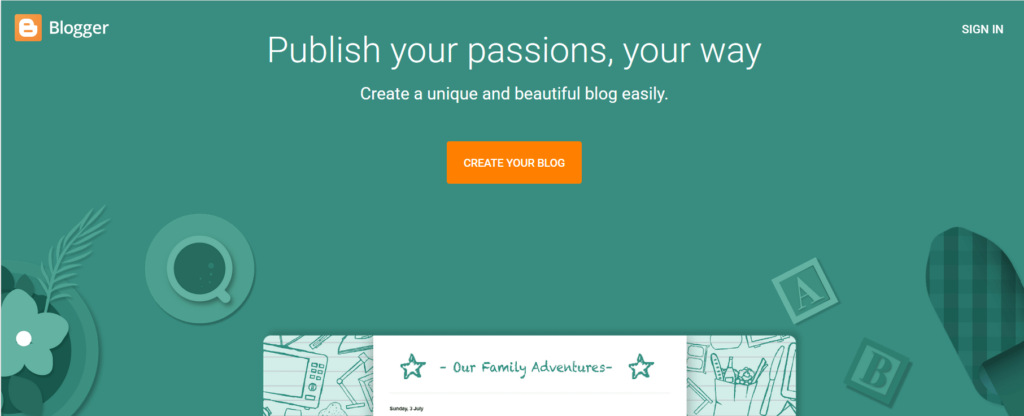
Blogger remains a free blogging platform owned by Google. While it is less feature-rich compared to other platforms, it still offers a straight forwarded way to start blogging in 2026.
Key Features:
- Free hosting and subdomain
- Google integration (AdSense, Analytics)
- Simple interface for beginners
- All things in one place
Advantages:
- Completely free
- Easy to use and set up
- Good for hobby blogging and personal blogs
Disadvantages:
- Limited customization and templates
- Hard to monetization
- Less professional compared to modern platforms
- Platform updates are infrequent
Best for: Beginners who want to start blogging without any investment.
5. Medium
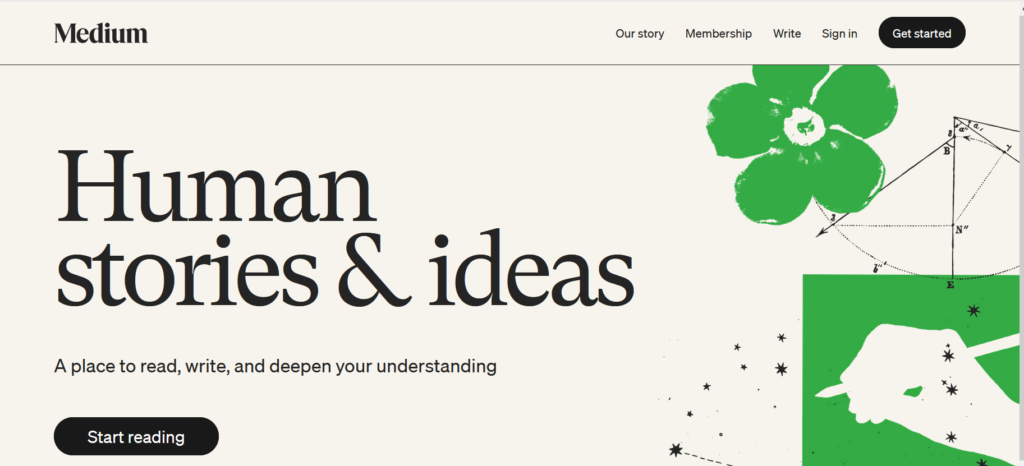
Medium is a content-focused platform ideal for writers who want to reach an existing audience. In 2026, it has maintained its relevance due to its simplicity and built-in readership.
Key Features:
- Clean Ui
- distraction-free writing interface
- Built-in audience and social features
- Monetization through Medium Partner Program
Advantages:
- No technical setup required
- Access to a large, engaged audience
- Focus on quality writing rather than design
Disadvantages:
- Limited branding and design options
- Monetization depends on Medium’s platform rules
Best for: Writers, journalists, and bloggers who want to focus on content rather than website management.
6. Ghost
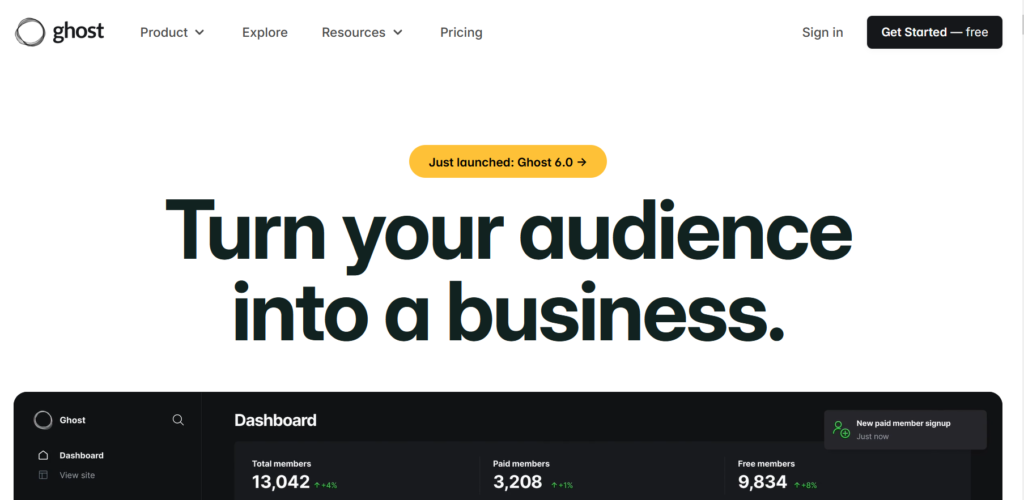
Ghost is a modern, open-source blogging platform focused on professional publishing and newsletters. In 2026, it’s popular for blogs that prioritize speed, simplicity, and subscription-based monetization.
Key Features:
- Clean, minimalist interface
- Built-in membership and subscription tools
- Supports Markdown and SEO-friendly content
- Fast performance
Advantages:
- Perfect for paid content and newsletters
- Lightweight and fast
- Focused on content creators and publishers
Disadvantages:
- Requires hosting for self-hosted version
- Smaller community compared to WordPress
Best for: Professional bloggers, newsletter creators, and subscription-based publishers.
Key Trends in Blogging Platforms for 2026
By 2026, blogging platforms are increasingly focused on:
- AI Assistance: Platforms are offering AI-powered tools for content generation, SEO optimization, and design. AI is trending nowdays.
- Mobile-First Blogging: Templates and tools are designed to ensure mobile readers have a seamless experience.
- Integrated Monetization: Platforms like Ghost, WordPress, and Medium support built-in subscriptions, affiliate links, and ad networks.
- Community and Collaboration: Blogging is becoming social, with features to collaborate, comment, and share content easily.
- Security and Privacy: Enhanced data protection and GDPR-compliant platforms are essential.
Way to Choose the Best Blogging Platform
Choosing the best blogging platform it’s all depends upon your goals:
- Beginners / Hobby Bloggers: Blogger, Wix, Medium
- Professional / Business Bloggers: WordPress.org, Squarespace, Ghost
- Content Monetization: WordPress.org, Medium, Ghost
- Creative Professionals: Squarespace, Wix
Consider:
- Budget and hosting requirements
- Technical skills
- Design flexibility
- Growth potential
Conclusion
In 2026, blogging continues to thrive as a medium for sharing ideas, building brands, and earning money online. Choosing the right blogging platform is critical for long-term success.
- WordPress.org remains the top choice for full control and monetization.
- Wix and Squarespace are excellent for beginners or creative users who want simplicity.
- Medium and Ghost are ideal for writers and content-focused creators.
- Blogger is still a good starting point for hobbyists.
Your choice should depend on your goals, technical skills, and budget. Regardless of the platform, consistent quality content and audience engagement will always be the key to blogging success.
By 2026, the blogging world is more accessible, versatile, and rewarding than ever before. Starting your blog on the right platform today can set the foundation for a successful online presence tomorrow.